Ultimate Hip Scanners Guide
Healthcare organizations are constantly seeking innovative ways to improve patient care and streamline processes. One technology that has been gaining popularity in recent years is the use of HIP scanners. These scanners offer a non-invasive, radiation-free way to quickly and accurately assess a patient’s hip joint. In this article, we will explore the benefits of using HIP scanners in healthcare settings and how they are revolutionizing the way doctors diagnose and treat hip-related issues.
From detecting fractures and dislocations to assessing bone density and monitoring healing progress, HIP scanners provide healthcare professionals with valuable information that can help inform treatment decisions. By providing detailed images of the hip joint in real-time, these scanners offer a more efficient and precise alternative to traditional imaging methods. With the use of HIP scanners, healthcare providers can deliver more personalized care to patients and ultimately improve outcomes in hip-related conditions.
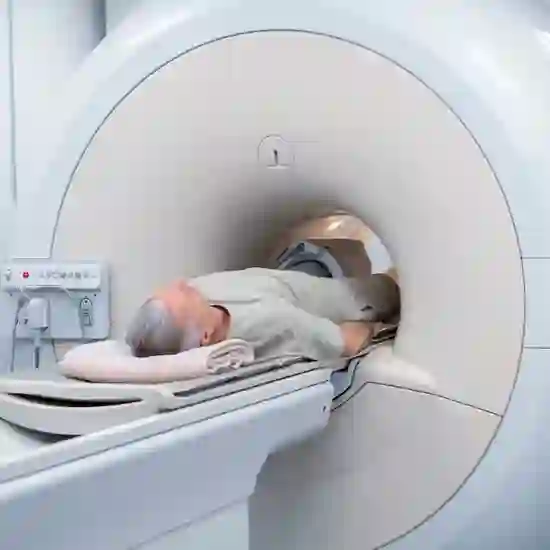
The Versatility of HIP Scanners
HIP scanners are versatile tools that can be used in various healthcare settings to diagnose a wide range of hip-related issues. Whether it’s detecting fractures, evaluating joint degeneration, or monitoring post-operative healing, these scanners provide detailed and accurate images that help healthcare providers make informed decisions about patient care. By incorporating HIP scanners into their practice, doctors can streamline diagnostic processes and improve overall patient outcomes. If you’re looking to enhance your healthcare facility with the latest in imaging technology, consider investing in a เครื่อง Scanner บัตรและลายนิ้วมือ for quick and reliable hip assessments.
In conclusion, the use of HIP scanners in healthcare settings is proving to be a game-changer for diagnosing and treating hip-related issues. With the ability to provide detailed and real-time images of the hip joint, healthcare providers can offer more personalized care and make more informed treatment decisions. From detecting fractures to monitoring healing progress, HIP scanners offer a versatile solution for improving patient outcomes in a variety of clinical scenarios. As technology continues to advance, incorporating HIP scanners into healthcare practices will likely become standard procedure, revolutionizing the way hip issues are diagnosed and managed.